Hemp has a long history as a natural fiber, but certain myths have kept it out of textile markets. This page is dedicated to abolishing those myths.
Low THC (<0.3%)
Used for textiles + apparel
Non-psychoactive
High THC (>0.3%)
arrow_warm_upUsed casually + medically
medical_servicesPsychoactive
cognitionHemp is a natural fiber that comes from the Cannabis sativa plant, but unlike marijuana, which has high levels of THC (>0.3%) hemp contains extremely low levels of THC (<0.3%) [R-027]; THC is the psychoactive compound associated with getting “high”. Hemp used for textiles is non-psychoactive, legally grown in many parts of the world, and has been used historically for products like rope, paper, clothing, and fabric [R-007, R-012, R-027].
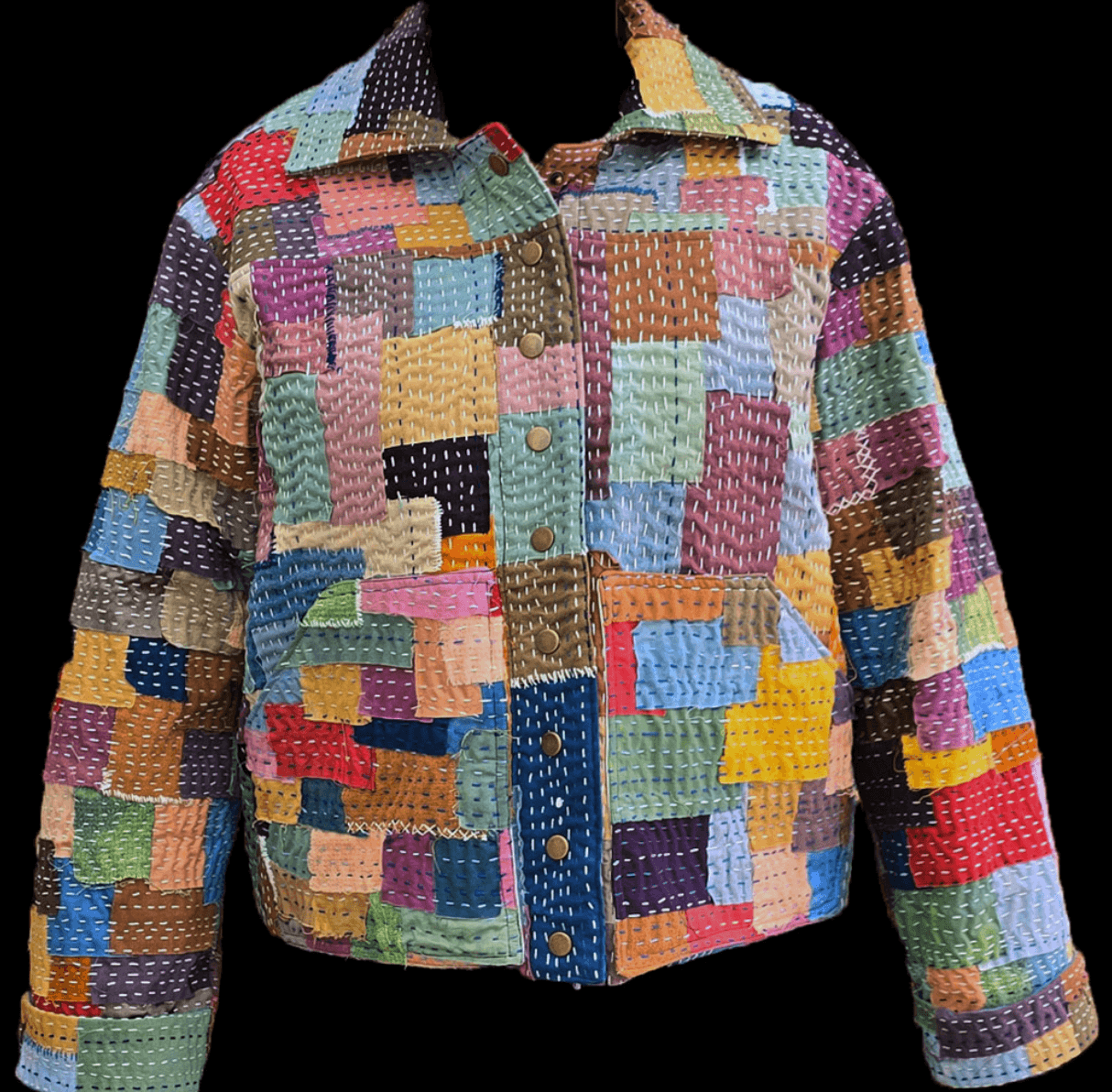
Today, hemp is gaining attention as a more sustainable textile alternative because it requires less water and fewer pesticides compared to cotton, and produces durable, breathable fibers that soften over time with use [R-006, R-009, R-012, R-014]. Despite these benefits, hemp fabrics are still often misunderstood due to long-standing associations with marijuana and limited exposure within mainstream textile markets.
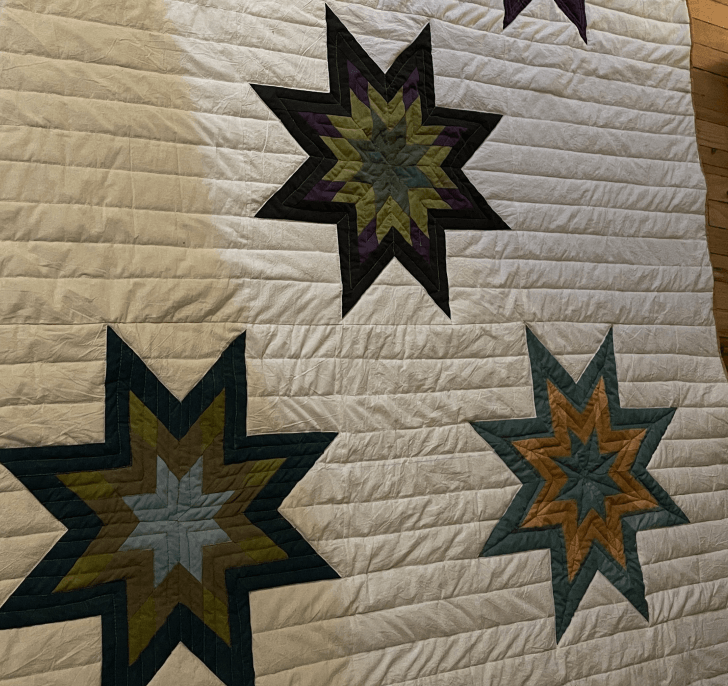
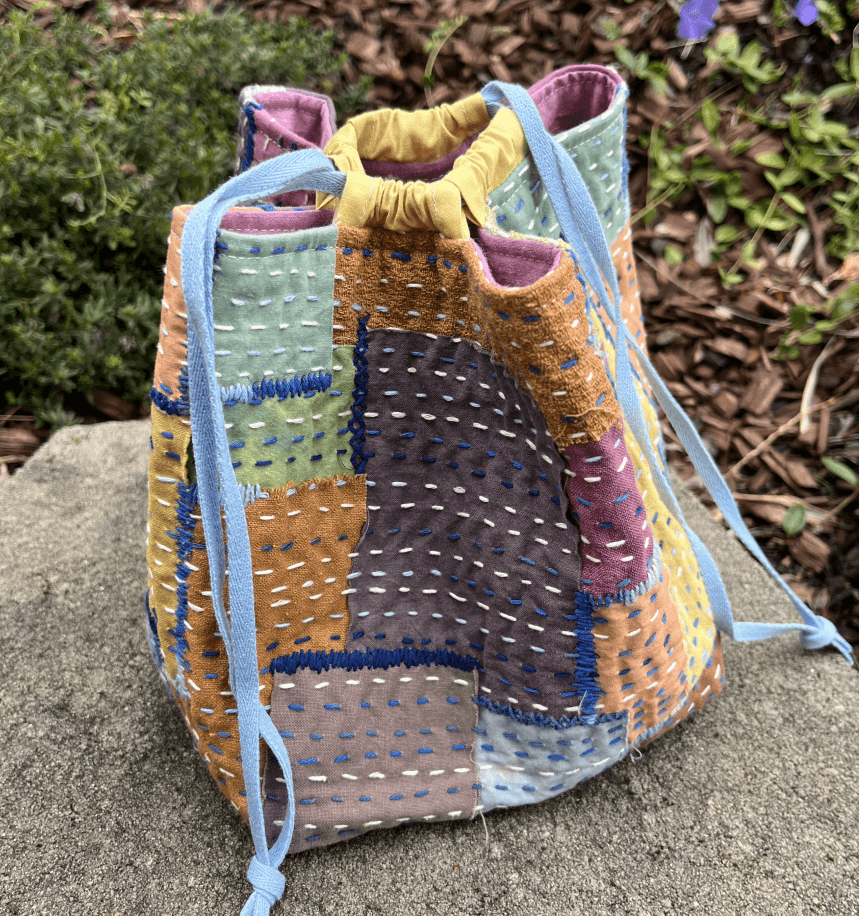
All textile arts, such as quiltmaking, require deep and intricate work where makers interact directly with materials through cutting, sewing, layering, and touch. This hands-on experience creates a unique opportunity to evaluate hemp textiles based on real performance rather than assumptions.
Hemp fibers are known for their strength and long-lasting quality [R-005, R-008].
Hemp fabric is breathable and gets softer with every wash and use [R-009, R-025]; there is a limit to how soft it can get.
"Hemp is the same as marijuana."
While hemp and marijuana come from the same plant species [R-027], they are grown and used very differently. Textile hemp contains very low THC levels [R-027] and is used for industrial applications like fabric, rope, and paper [R-007, R-012].
"Hemp fabric is rough."
Modern hemp textiles can range from structured and textured to soft and breathable depending on the weave and blend [R-025]. Many hemp fabrics become softer over time with washing and regular use [R-009].
"Hemp isn't practical for the textile arts."
Part of this project explores exactly that question. By gathering feedback from quilters and testing material experiences, the project aims to better understand hemp's usability, comfort, and creative potential for handmade craftsmanship.
One of the goals of this project was to better understand how hemp fabrics perform compared to materials commonly used in quilting. To explore this, we conducted a series of material tests evaluating tear strength, abrasion resistance, drape, and shrinkage across different fabric types.
Rather than relying on assumptions about hemp’s feel or durability, these tests provide measurable data about how the material performs under real-world conditions.
By comparing hemp directly with fabrics familiar to textile artists (like cotton), we hope to better understand its strengths, limitations, and potential applications within the textile world.
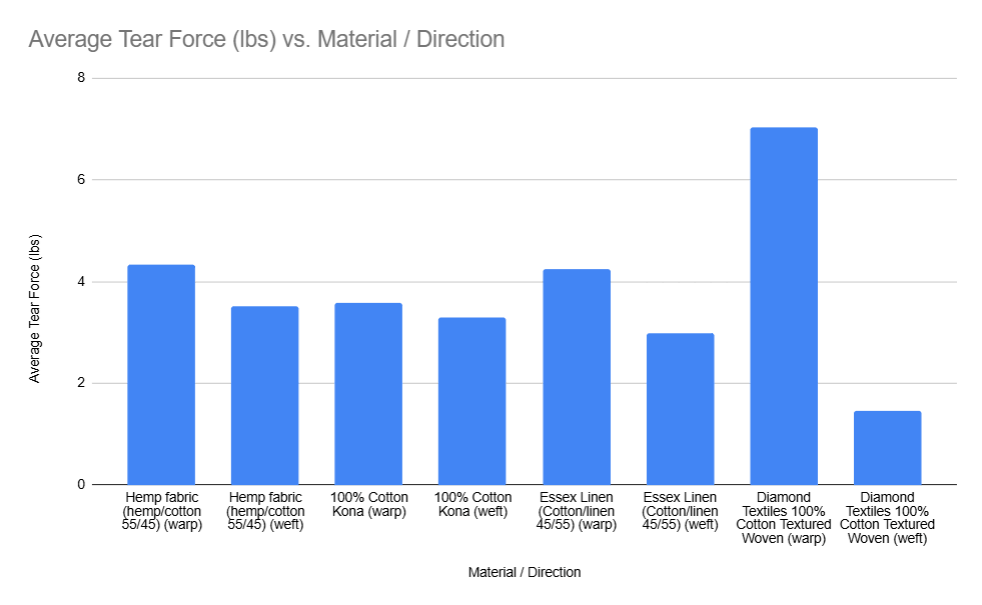
The tear test showed that the textured woven cotton had the highest tear strength in the warp direction, while hemp and cotton/linen also performed well with consistent results. Hemp fabric showed balanced tear resistance between warp and weft directions, making it a strong and reliable option compared to basic quilt cotton. The textured woven cotton had a large difference between warp and weft strength, showing that fabric direction can greatly affect performance.
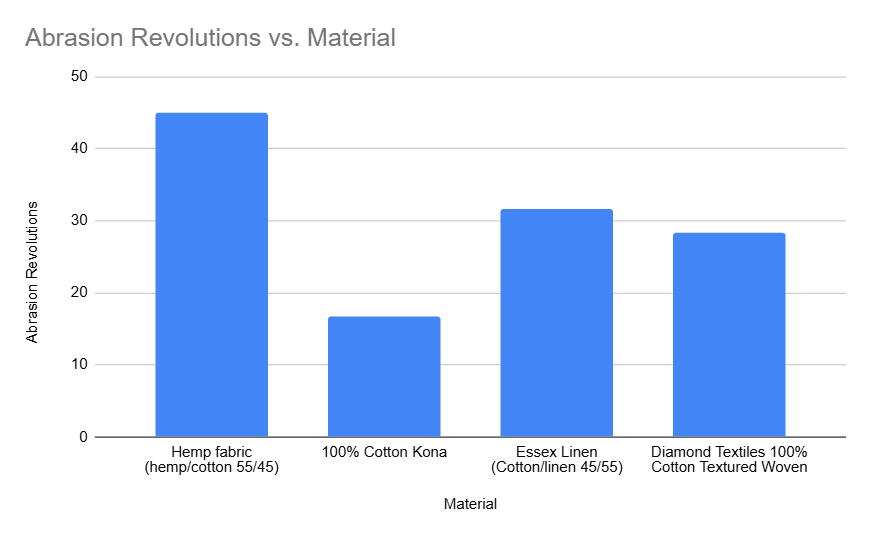
The abrasion test showed that hemp fabric had the highest resistance to wear, lasting an average of about 45 revolutions before failure. Cotton/linen and textured woven cotton performed in the middle range, while basic quilt cotton showed the lowest abrasion resistance. Overall, the hemp fabric handled repeated wear the best, which supports its potential as a durable material for quiltmaking and other textile uses.
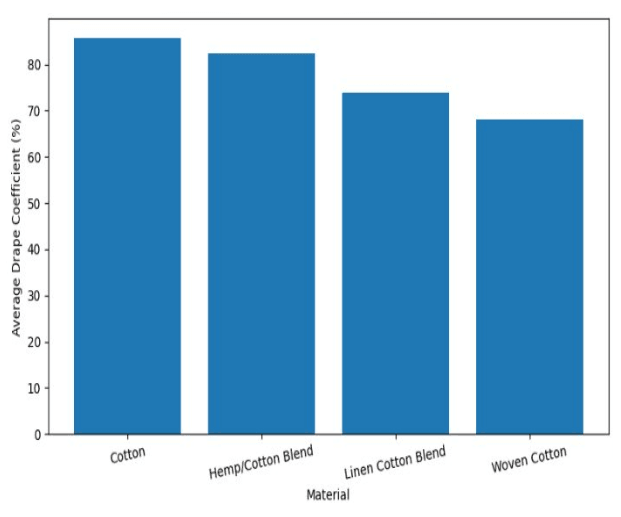
The drape test was used to evaluate how naturally each fabric hangs and conforms under its own weight. A higher drape coefficient indicates a stiffer fabric, while a lower coefficient indicates greater flexibility and flow. Results showed that the hemp/cotton blend performed similarly to traditional cotton, suggesting that hemp-based textiles can provide comparable handling characteristics for textile-crafting applications. Linen/cotton and woven cotton fabrics exhibited lower drape coefficients, indicating greater flexibility. These findings suggest that hemp blends may offer a sustainable alternative to cotton while maintaining familiar fabric behavior valued by textile artists.
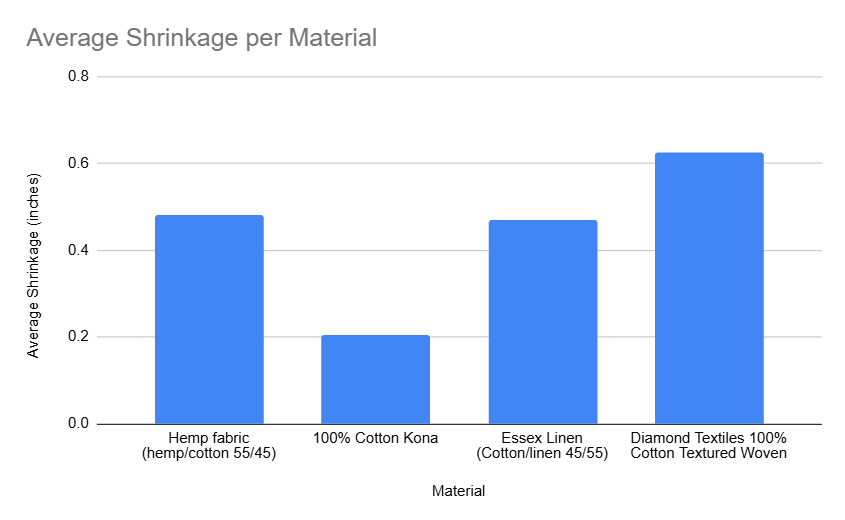
For the shrinkage test, each fabric sample was measured before and after washing to compare how much the material changed in size. The results showed that 100% Cotton Kona had the lowest shrinkage, with an average of about 0.203 inches, making it the most dimensionally stable fabric in this test. The hemp/cotton blend and Essex linen blend had very similar shrinkage results, averaging about 0.48 inches and 0.47 inches, which shows that the hemp blend performed close to another common natural fiber blend. The Diamond Textiles textured cotton had the highest shrinkage at about 0.625 inches. Overall, this test helped show that hemp fabric is still a usable option for quilting, but like many natural fabrics, it should likely be pre-washed before use to reduce shrinking after a quilt is made.